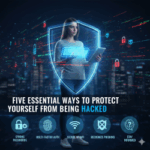
In today’s digital world, criminals don’t just operate in the physical space—they thrive online. From hacking attempts to illicit activities on the dark web, cybercrime is a growing threat that can affect anyone. Protecting yourself requires a mix of smart tools, good habits, and awareness. Here are five key strategies to keep your information safe:
1. Understand the Dark Web
The dark web is often portrayed as a mysterious, easily accessible underworld of crime. In reality, it’s not as simple to reach as typing a web address into your browser. Specialized software and knowledge are required, and while it does host illegal marketplaces and hacking forums, it also contains legitimate uses for privacy-focused individuals. The important takeaway: criminals use this hidden part of the internet to trade stolen data, malware, and hacking services. Knowing it exists—and that your information could end up there—underscores why proactive protection is vital.
2. Use a Password Manager
Passwords are the first line of defense against hackers, but many people reuse weak ones across multiple accounts. That’s like locking your front door with a flimsy latch.
- A password manager securely stores all your login details in an encrypted vault.
- It generates strong, unique passwords for each account, reducing the risk of a single breach compromising everything.
- With autofill features, you don’t have to remember dozens of complex combinations—your manager does the work for you.
Think of it as a digital safe that keeps your keys organized and secure.
3. Install Reliable Antivirus Software
Antivirus programs are more than just virus detectors—they’re comprehensive shields against a wide range of threats:
- Viruses, worms, and trojans that can damage files or steal information.
- Spyware and ransomware designed to monitor your activity or lock your system until you pay.
- Real-time protection that scans downloads, emails, and websites before they can harm your device.
Keeping your antivirus updated ensures it can recognize the latest threats. It’s like having a guard dog that constantly learns new tricks to keep intruders out.
4. Protect Your Cards with an RFID-Blocking Wallet
Technology thieves don’t always need physical access to your wallet—they can use RFID scanners to skim data from contactless cards.
- RFID (Radio-Frequency Identification) uses radio waves to transmit information between a card and a reader.
- Criminals with portable scanners can capture this data without you even noticing.
- An RFID-blocking wallet creates a shield that prevents these signals from being intercepted.
It’s a simple, inexpensive step that adds an extra layer of protection to your everyday life.
5. Use Your Common Sense
Sometimes the most effective defense is simply being cautious:
- Don’t click suspicious links or attachments in emails.
- Be wary of “too good to be true” offers online.
- Avoid oversharing personal details on social media.
- Double-check websites before entering sensitive information.
Cybercriminals often rely on human error rather than technical skill. Staying alert and skeptical can stop many attacks before they begin.
Final Thoughts
Cybersecurity isn’t about paranoia—it’s about preparation. By combining smart tools like password managers and antivirus software with practical habits like cautious browsing and RFID protection, you can significantly reduce your risk of being hacked. Remember: criminals may be online, but so are the defenses.